





Celebrities with a Stoma Bag Who Live Normal Lives
Living with a stoma doesn’t mean giving up on dreams or active lifestyles. Many celebrities have proven that ostomy surgery can be life-saving while still allowing full, successful lives. These public figures share their experiences to reduce stigma and inspire others facing similar medical challenges.
Understanding that famous individuals face the same health struggles helps normalize ostomy experiences. Their openness provides hope and practical guidance for millions worldwide living with stomas.
Understanding What a Stoma Is
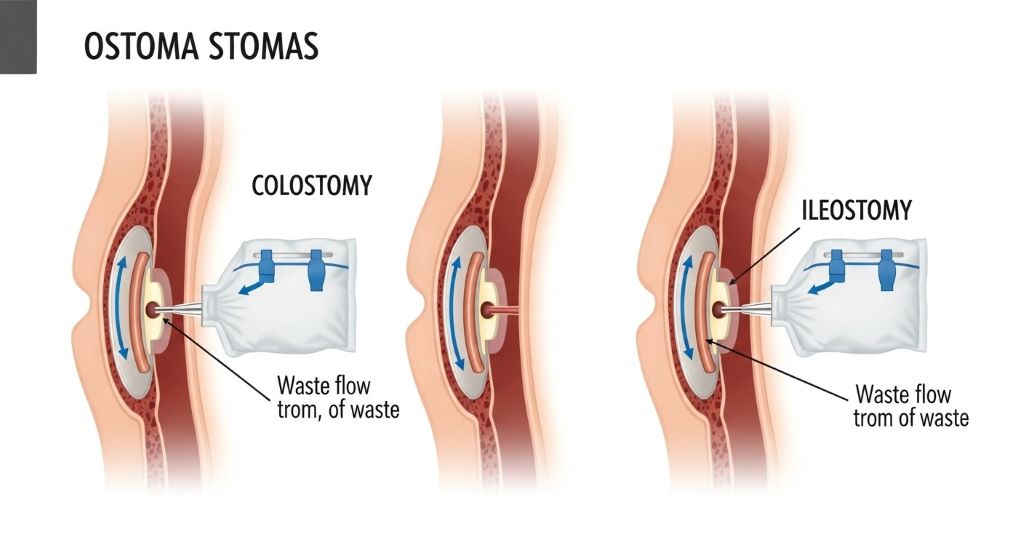
A stoma is a surgically created opening in the abdomen for waste elimination. Doctors create stomas when the digestive or urinary system cannot function normally. The opening connects to a removable bag that collects waste outside the body.
Three main types exist: colostomy, ileostomy, and urostomy. Colostomies divert waste from the large intestine, while ileostomies connect to the small intestine. Urostomies handle urine when bladder function fails.
Medical conditions requiring stomas include Crohn’s disease, ulcerative colitis, colon cancer, and bladder cancer. Additionally, severe injuries or birth defects sometimes necessitate ostomy surgery. These procedures often dramatically improve quality of life despite initial adjustment challenges.
Fred Hollows: Humanitarian Eye Doctor
Fred Hollows, the renowned Australian ophthalmologist, lived with a colostomy for years. He restored sight to millions in developing countries despite his own health challenges. His work continued uninterrupted after ostomy surgery.
Hollows traveled extensively throughout Africa, Asia, and Australia. Remote medical missions required physical stamina and mental resilience. However, his stoma never prevented him from reaching patients in challenging locations.
His legacy demonstrates that medical professionals can manage stomas while maintaining demanding careers. The Fred Hollows Foundation continues his work today, proving his impact transcended his personal health situation.
Rolf Benirschke: Professional Football Kicker
Rolf Benirschke played for the San Diego Chargers during the 1980s. He underwent multiple surgeries for ulcerative colitis, resulting in an ileostomy. Rather than ending his career, the surgery allowed him to return to professional sports.
Benirschke became a spokesperson for ostomy awareness after retirement. He shared his story publicly to help others understand that stomas don’t limit physical capabilities. His successful football career proved athletes could compete at elite levels.
The kicker’s experience shows that contact sports and physically demanding activities remain possible. Proper equipment, medical support, and personal determination enable ostomates to pursue athletic goals. Therefore, his story particularly inspires young athletes facing ostomy surgery.
Marvin Bush: Son of President George H.W. Bush
Marvin Bush, youngest son of former President George H.W. Bush, has lived with ulcerative colitis. He underwent ostomy surgery and has spoken about his experience to raise awareness. His public role never diminished despite his medical condition.
Bush serves on corporate boards and engages in philanthropic work. He maintains an active business career while managing his health condition. Additionally, he participates in awareness campaigns for inflammatory bowel disease.
His openness helps reduce stigma surrounding digestive health issues. Many people hesitate to discuss these conditions due to embarrassment. However, public figures like Bush normalize these conversations and encourage others to seek necessary treatment.
Shannon Doherty: Actress and Cancer Survivor
Shannon Doherty, known for “Beverly Hills, 90210” and “Charmed,” has battled breast cancer. While details remain private, she has discussed various medical interventions throughout her treatment journey. Her continued acting work demonstrates professional resilience during health challenges.
Doherty uses social media to share her cancer experience authentically. She documents treatment effects, recovery processes, and emotional struggles. Moreover, her transparency provides comfort to others facing similar diagnoses.
The actress maintains her career between treatments and medical procedures. She continues accepting roles and public appearances. Therefore, she exemplifies how people can balance serious health conditions with professional ambitions.
Jearlean Taylor: Advocate and Public Speaker
Jearlean Taylor became a prominent ostomy advocate after her surgery. She founded organizations supporting people with stomas and related conditions. Her advocacy work reaches thousands through speaking engagements and online platforms.
Taylor participates in fashion shows specifically for ostomates. These events showcase how people with stomas can wear stylish clothing confidently. Additionally, she demonstrates that body image concerns can be addressed through adaptive fashion choices.
Her story emphasizes the importance of community support and education. Many ostomates struggle with isolation and lack of information. However, advocates like Taylor create networks that provide practical advice and emotional encouragement.
Bob Flanagan: Performance Artist
Bob Flanagan lived with cystic fibrosis and ultimately required an ostomy. Despite serious health complications, he pursued a career in performance art and writing. His work often addressed illness, pain, and medical experiences.
Flanagan exceeded his predicted lifespan by decades through determination and medical management. He married, maintained relationships, and created influential artistic works. His life demonstrated that chronic illness doesn’t preclude meaningful creative expression.
The artist’s openness about his body and medical conditions challenged societal discomfort. He incorporated his stoma into his artistic identity rather than hiding it. Therefore, his legacy includes normalizing discussions about medical devices and bodily differences.
According to The Guardian, many people report improved quality of life after ostomy surgery despite initial concerns about lifestyle changes.
Napoleon Bonaparte: Historical Figure
Historical accounts suggest Napoleon Bonaparte may have lived with a colostomy. While medical documentation from the early 1800s lacks modern precision, several historians believe he had abdominal surgery creating a stoma. His military campaigns continued regardless of this condition.
Napoleon led armies across Europe while managing significant health issues. His strategic brilliance and leadership remained unaffected by physical challenges. Additionally, he maintained political power and personal relationships throughout his life.
This historical perspective shows that stomas have existed far longer than modern awareness suggests. People have managed these conditions throughout history while achieving remarkable accomplishments. Therefore, contemporary ostomates stand in a long tradition of resilient individuals.
Living Normally with a Stoma
Modern ostomy products enable discreet, comfortable daily living. Bags attach securely and rarely cause noticeable bulges under clothing. Manufacturers design products specifically for active lifestyles, including swimming, exercise, and intimacy.
Dietary adjustments help manage output and prevent complications. However, most ostomates can eat varied diets without severe restrictions. Learning which foods affect individual systems takes time but becomes manageable.
Employment rarely requires disclosure of ostomy status. Disabilities laws protect workers from discrimination based on medical conditions. Moreover, many professions accommodate medical needs through reasonable adjustments.
Social activities continue normally for most ostomates. Travel, dining out, and recreational activities remain fully accessible. Support groups and online communities provide practical tips for managing specific situations.
Breaking Down Stigma and Misconceptions
Media representation often lacks diversity in health conditions. Celebrities sharing their ostomy experiences normalize these medical devices. Their visibility helps society understand that millions live full lives with stomas.
Common misconceptions suggest stomas smell bad or limit activity. Modern products control odor effectively through filters and proper care. Additionally, athletes, performers, and professionals prove physical limitations are minimal.
Psychological adjustment often proves more challenging than physical adaptation. Society’s discomfort with bodily functions creates unnecessary shame. However, education and open conversation reduce this emotional burden significantly.
According to BBC News, approximately one in 500 people in the UK lives with a stoma, demonstrating how common these procedures actually are.
Medical Advances Improving Ostomy Life
Technology continues improving ostomy products and surgical techniques. Bags now feature better adhesives, slimmer profiles, and enhanced odor control. Additionally, some patients qualify for continent ostomies requiring no external bag.
Surgical procedures have become less invasive with faster recovery times. Laparoscopic techniques reduce scarring and complications. Therefore, the physical impact of ostomy surgery continues decreasing.
Research explores biological alternatives including intestinal transplants and regenerative medicine. While still experimental, these advances may eventually eliminate permanent ostomies for some conditions. However, current ostomy technology already enables excellent quality of life.
Support services have expanded dramatically through online platforms and local groups. Ostomy nurses provide specialized care and education. Moreover, peer support networks connect people facing similar challenges worldwide.
Practical Tips from Celebrity Experiences
Public figures emphasize the importance of finding knowledgeable medical teams. Ostomy nurses provide invaluable guidance during adjustment periods. Their expertise prevents complications and builds confidence in self-care abilities.
Celebrities recommend connecting with support communities early. Peer experiences offer practical solutions to everyday challenges. Additionally, these connections reduce feelings of isolation and difference.
Many famous ostomates stress maintaining pre-surgery activities whenever possible. Continuing hobbies, exercise, and social engagements supports mental health. Physical recovery progresses faster when people remain engaged with life.
Professional athletes particularly emphasize proper equipment selection. Specialized products exist for different activity levels and body types. Therefore, experimenting with various brands and styles helps identify optimal solutions.
Inspiring Future Generations
Young people facing ostomy surgery benefit tremendously from positive role models. Seeing successful celebrities with stomas provides hope and practical examples. These stories demonstrate that dreams remain achievable despite medical challenges.
Parents of children with stomas find comfort in celebrity experiences. Knowing that ostomates grow into successful adults reduces anxiety about children’s futures. Additionally, these examples help families discuss conditions positively.
Medical professionals use celebrity stories in patient education. Real-world examples make abstract concepts concrete and relatable. Moreover, patients often respond better to peer experiences than clinical explanations alone.
Social media amplifies positive ostomy messages from public figures. Instagram, YouTube, and TikTok feature ostomates sharing daily lives authentically. This visibility creates cultural shift toward acceptance and normalization.
Conclusion
Celebrities living with stomas prove these medical devices don’t limit success or happiness. From professional athletes to business leaders, ostomates achieve remarkable goals across all fields. Their willingness to share experiences reduces stigma and provides practical inspiration. Modern technology makes ostomy management easier than ever, enabling full participation in work, relationships, and recreation. Therefore, anyone facing ostomy surgery can look to these examples with confidence that normal, fulfilling lives await. The courage of public figures normalizing these conversations benefits millions worldwide who live with stomas or may require them in the future.
Frequently Asked Questions
Can people with stomas participate in sports and physical activities?
Yes, people with stomas can participate in virtually all sports and physical activities. Professional athletes like Rolf Benirschke have competed at elite levels with ostomies. Specialized support garments and proper product selection enable swimming, running, contact sports, and other activities safely.
Do celebrities with stomas need to follow special diets?
Most ostomates can eat varied diets with minor adjustments based on individual tolerance. While certain foods may affect output consistency or gas, severe restrictions are rarely necessary. Celebrities with stomas generally maintain normal eating patterns while noting their personal digestive responses.
How do celebrities manage stoma bags during public appearances?
Modern ostomy products are discreet and rarely visible under clothing. Celebrities use properly fitted bags, supportive garments, and strategic wardrobe choices. Additionally, they plan bathroom access and carry supplies discreetly, just as anyone might carry necessary personal items.
Are relationships and intimacy possible with a stoma?
Yes, people with stomas maintain normal romantic relationships and intimacy. Many celebrities with ostomies are married and have discussed maintaining fulfilling personal lives. Communication with partners and using specialized products designed for intimacy help ostomates feel confident.
How long does it take to adjust to living with a stoma?
Physical healing typically takes 6-8 weeks, but emotional adjustment varies individually. Most people report feeling comfortable managing their stoma within 3-6 months. Celebrity experiences suggest that active lifestyles resume relatively quickly with proper support and education.
Related Topics:
Binky Felstead’s Diet: A Look at Healthy Habits for a Busy Lifestyle
Kristen Bell’s Bellwether of Balance: How Does She Stay Mentally Strong?








+ There are no comments
Add yours